Establish a baseline for how the door sounds
A door that runs every morning can gradually get louder without the change seeming sudden. Pay attention to a persistent hesitation, a new thump near the bottom, or a gap that was absent before. If you found us through garage door repair near me for an earlier problem, tell us which parts were replaced and whether the new symptom started before or after the work. Details from that service can help the technician tell ordinary wear from a returning problem. A note about which direction the door was moving is often more useful than the age alone.
Check the complete system during the visit
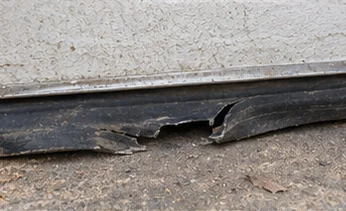
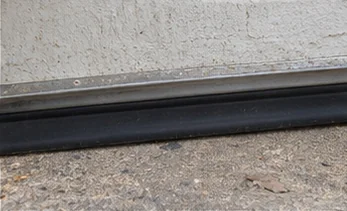
A maintenance assessment may cover the condition of hinges, cables, springs, rollers and tracks, alongside door balance and opener travel. If the door has an opener, ask which reversal and sensing checks are appropriate for that model. Lubrication depends on the manufacturer’s guidance and the type of hardware present. During garage door repair in Los Altos, CA, we consider whether a sound or movement changes at one point in the cycle. It can point to a worn wheel, a door edge brushing a seal, or movement where the rail is supported.
Use local conditions to time the visit
In a garage that opens onto a planted driveway, fallen leaves and grit can collect at the bottom during damp months. Low sunlight can also change what owners notice around the opening. If you use a detached garage for storage more often than parking, it may accumulate fewer door cycles than the main bay. If a garage is the primary household entrance, wear can appear sooner on that door. Use the door’s age, hardware guidance, and frequency of use to plan an interval, especially before an extended period away or after moving into a house with unclear service records.
Keep a useful record of the findings
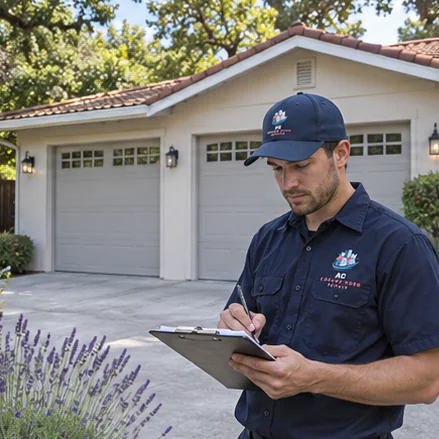
If you’re comparing a garage door repair service near me for routine upkeep, ask what you’ll learn at the end of the visit. Keep notes about parts that need immediate attention and changes to monitor over the coming months. If the door is already stranded partway, visibly uneven, or scraping sharply, raise that when you book so the visit can begin with a repair assessment. If nothing is visibly wrong, mention whether the door is mostly manual, used by multiple drivers, or fitted with a newer opener and older mechanical hardware. That context helps when you discuss service priorities.
Maintenance FAQs
Is annual maintenance always the right interval?
Use the manufacturer’s guidance, door age, and operation frequency to decide. Report a new symptom as it occurs.
Does maintenance cover a door that is already stuck?
Tell us about the jam when you call. The technician may need to diagnose and repair a fault before routine checks are appropriate.
Is grease applied to every moving part?
No. The method depends on the component and its care instructions.
What safety features can be checked?
An opener-equipped door may have photo eyes, reversal, and travel settings to assess. The exact checks depend on the model.
What should I keep after the visit?
Record the date, findings, and any part names. Note the difference between work performed and work recommended for later.